Making of Statue of Unity
For decades, the remote, forested landscape of Ekta Nagar in Gujarat's Narmada District existed in near-total isolation. Nestled between the Vindhyachal and Satpura mountain ranges, nearly ninety percent of the district's population belonged to indigenous tribal communities whose livelihoods depended almost entirely on rain-fed agriculture and forest produce. The primary landmark in this quiet valley was the massive Sardar Sarovar Dam across the sacred Narmada River, an engineering marvel that drew occasional day-trippers particularly during monsoon months when the dam overflowed in a spectacular cascade. Once the monsoon receded, the region returned to absolute silence. Roads were narrow, hospitality was limited to a few government guest houses, and local youth had little choice but to migrate to distant industrial cities in search of basic work. Despite its rich biodiversity within the catchment of the Shoolpaneshwar Wildlife Sanctuary, Ekta Nagar remained economically underdeveloped.
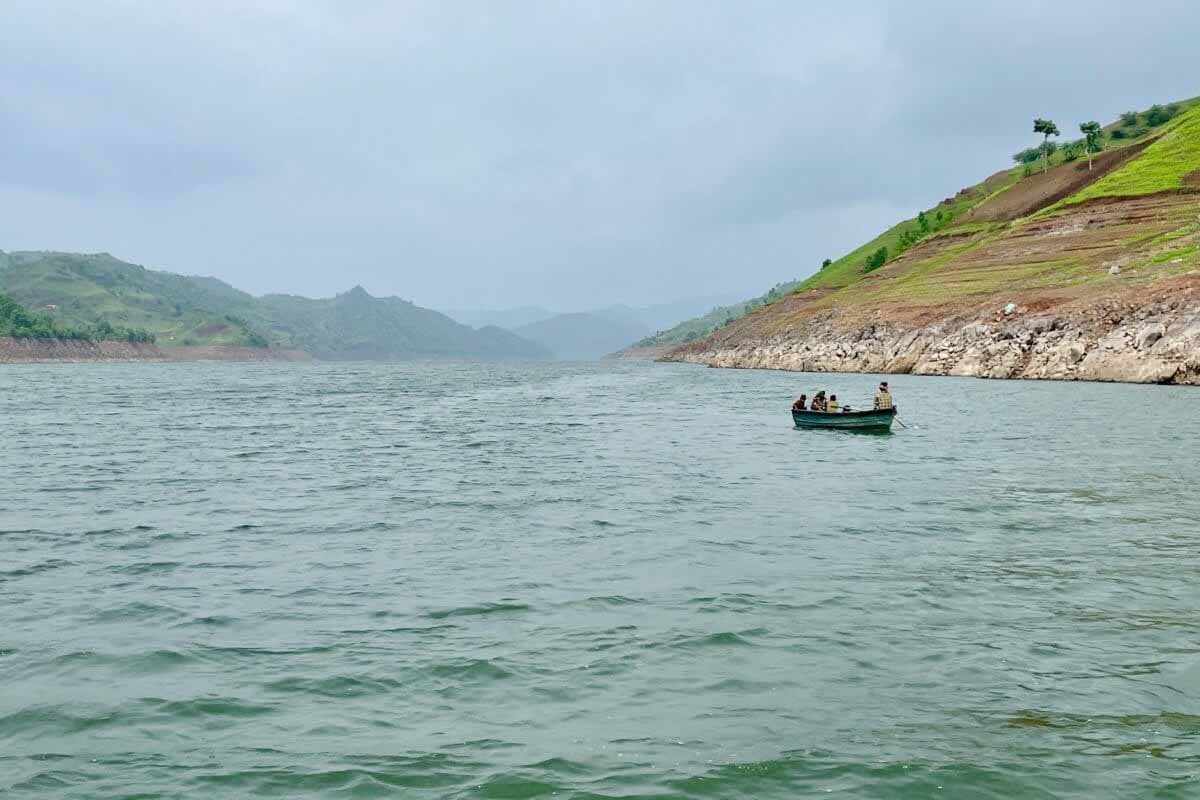
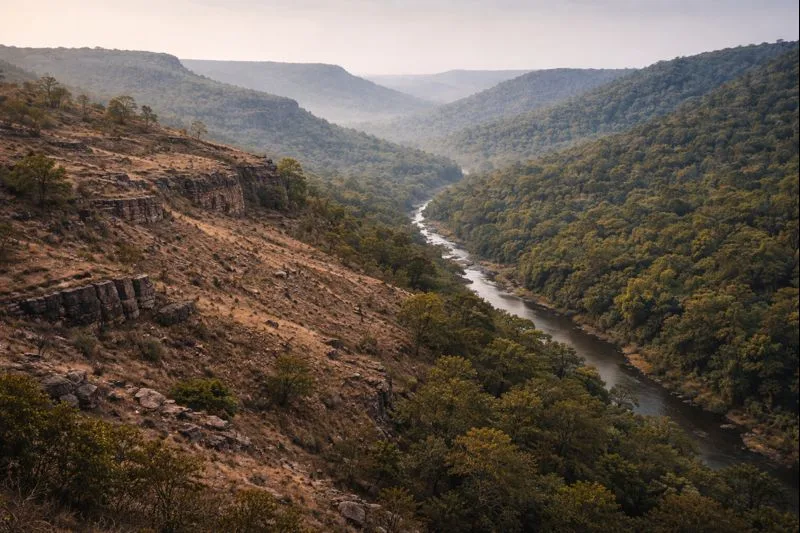
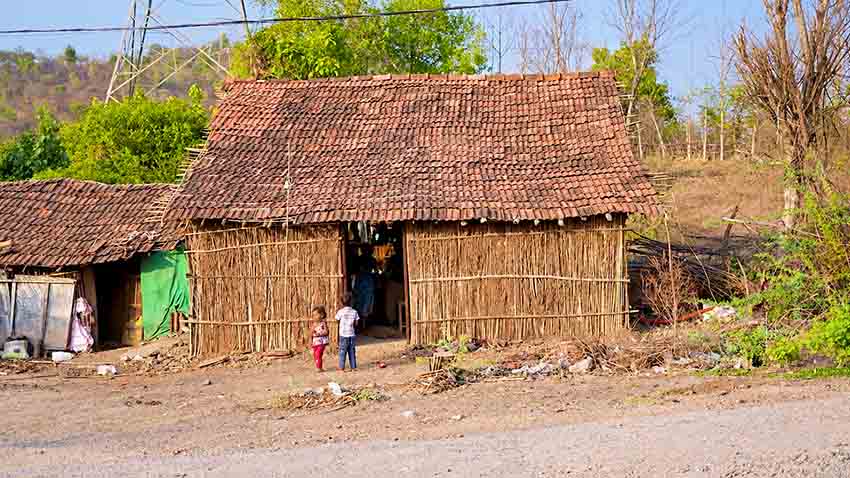
In December 2008, the then Chief Minister of Gujarat, Shri Narendra Modi, conceptualized a grand monument of Sardar Vallabhbhai Patel—the 'Iron Man of India' who integrated 565 scattered princely states into a unified Indian Republic post-Independence. The vision was not merely to erect a static bronze statue in an urban space, but to place Sardar Patel's legacy directly in the landscape of Gujarat and establish an active 'Icon-Based Development Model' in one of the state's most backward tribal belts. The philosophy was transformative: leverage an extraordinary national icon to drive balanced regional growth, generate sustainable local livelihoods, build world-class infrastructure, and create a global tourism nucleus.
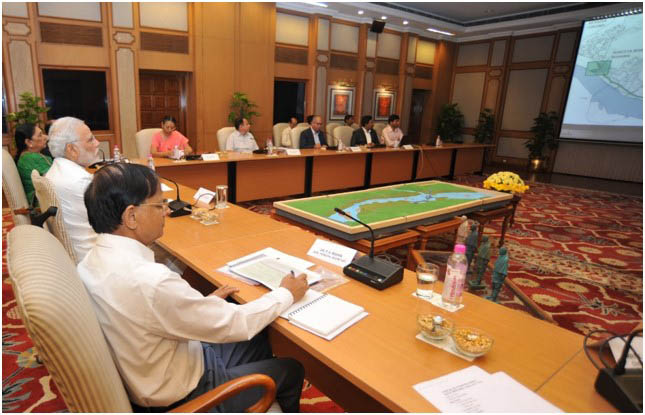
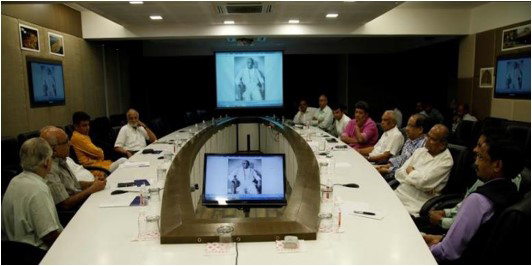
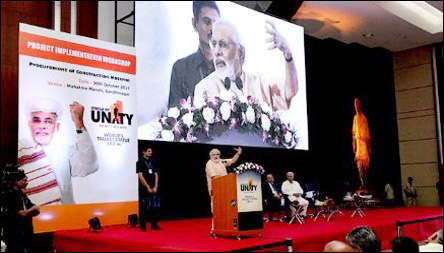
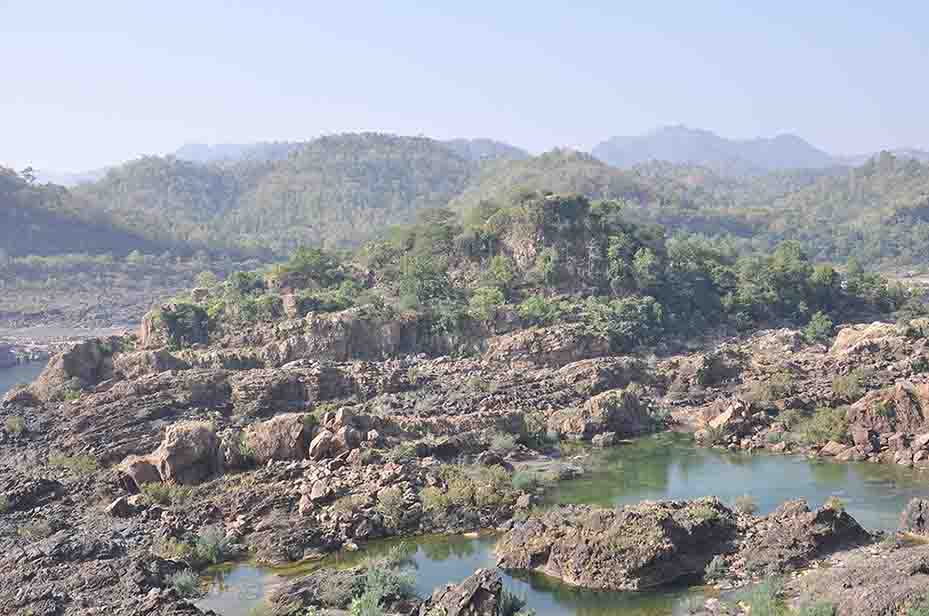
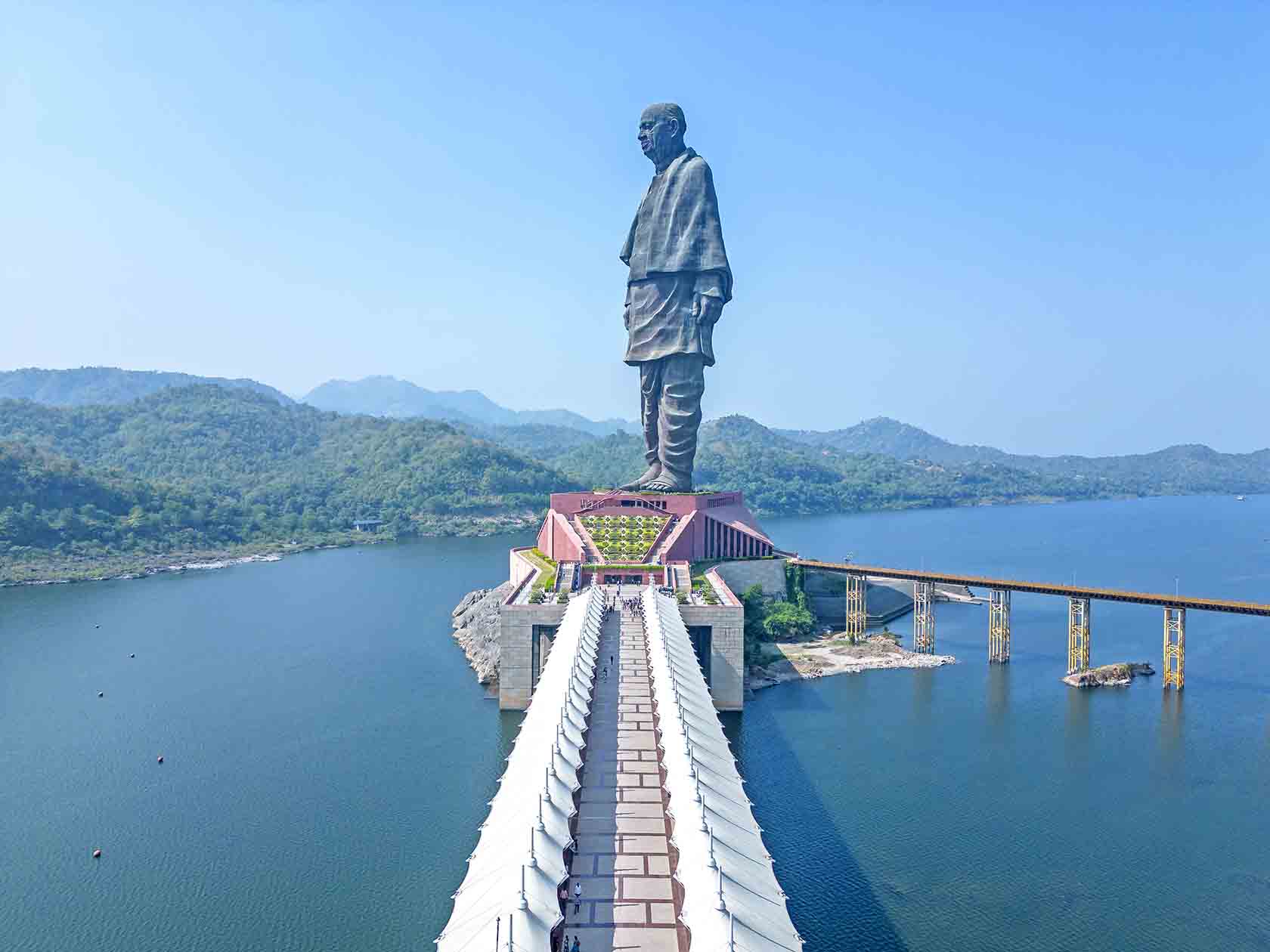
The Cabinet approved the project in August 2010. To execute this colossal undertaking, the Government of Gujarat constituted the Sardar Vallabhbhai Patel Rashtriya Ekta Trust (SVPRET) under the chairmanship of the Chief Minister, appointing Sardar Sarovar Narmada Nigam Limited (SSNNL) as the project implementation agency. The monument's height was set at 182 meters (597 feet)—symbolizing the 182 legislative assembly constituencies of Gujarat, it was designed as the tallest statue in human history. Sadhu Bet, a rugged basalt river island located 3.32 kilometers downstream of the Sardar Sarovar Dam, was identified as the ideal geological anchor.
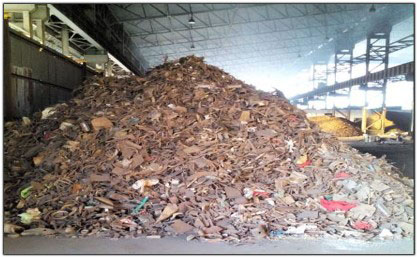
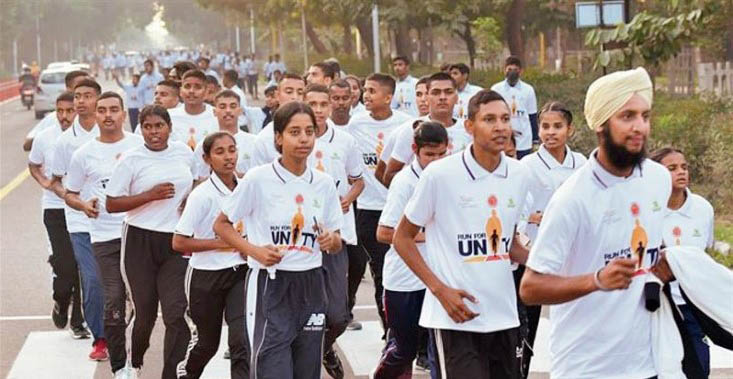
The making of the Statue of Unity was designed as a national civic movement. On December 15, 2013, the landmark Loha Campaign was flagged off. Paying homage to Sardar Patel's agricultural roots and his leadership in peasant satyagrahas, volunteers distributed 300,000 kit boxes across 169,078 villages in India to collect worn-out iron farming implements donated by farming families. The campaign gathered 134.25 metric tonnes of agrarian iron. Concurrently, soil samples collected from over 169,000 villages were fused into the symbolic Unity Wall, while millions participated in annual 'Run for Unity' marathons across 500+ cities.
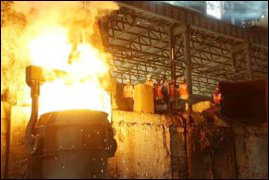
By reaching 169,078 villages across India, the Loha Campaign established the largest agrarian mobilization in modern history. The donated farm tools were melted and refined into 109 metric tonnes of high-grade steel rebar, embedding the physical sweat and spirit of millions of Indian farmers directly into the bedrock foundation of Sardar Patel's monument.
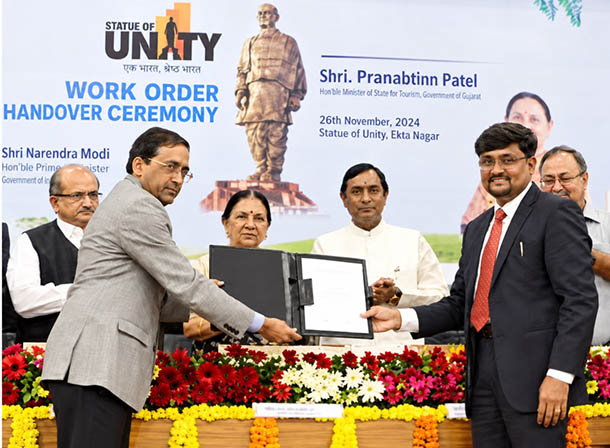
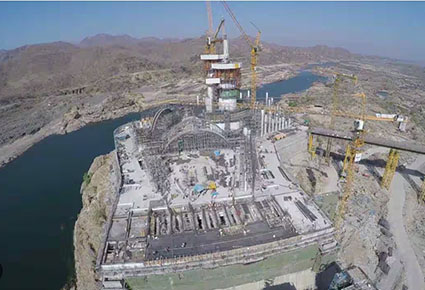
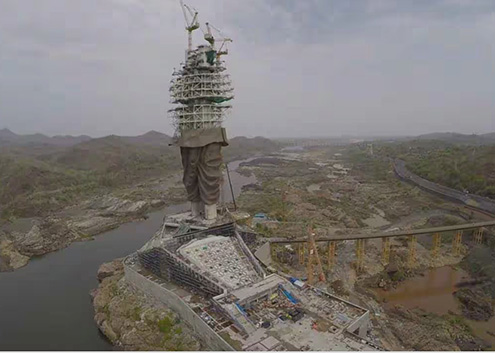
Building the world's tallest statue in the middle of a dynamic river basin presented extraordinary civil engineering challenges. On October 27, 2014, the engineering, procurement, and construction (EPC) contract was awarded to Larsen & Toubro (L&T). Construction commenced with heavy hydraulic excavators cleaving and leveling the rugged basalt rock of Sadhu Bet island. Access was established via a temporary Bailey bridge connecting the island to the mainland. To withstand immense gravity loads and hydrodynamic forces, engineers designed a massive 3-meter-deep concrete raft foundation. Temperature-controlled concrete compressed with ice was pumped round-the-clock to prevent thermal cracking during hydration.
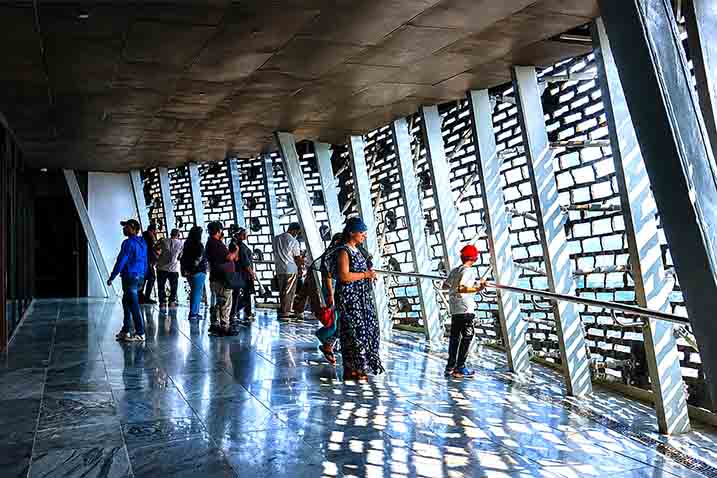
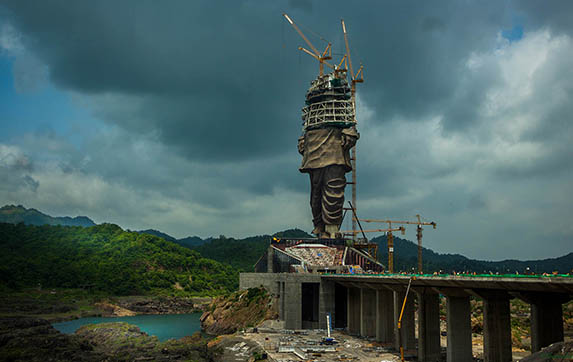
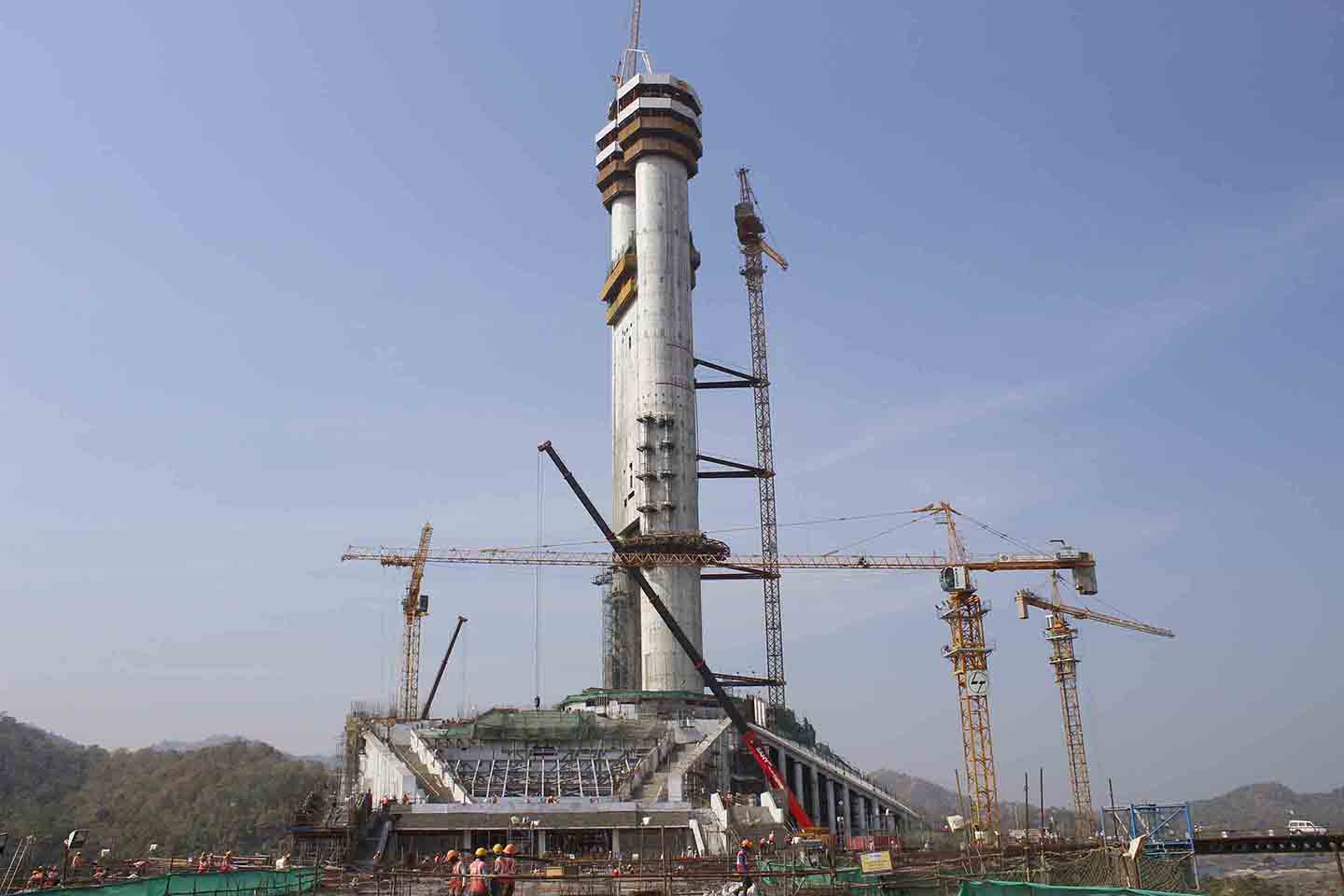
Unlike conventional tall structures that rely on a broad pyramidal base, Sardar Patel is depicted in a naturalistic walking stance wearing a dhoti and chappals, resulting in a narrow base with a 6.4-meter gap between the feet. To resolve this structural asymmetry, engineers constructed twin reinforced-concrete cylindrical cores rising through the legs. Housing utility staircases and two high-speed elevators (traveling at 4 m/s to carry passengers to the 135m viewing gallery in 30 seconds), these cores form the primary spine. Surrounding the concrete spine, a 6,500-tonne structural steel space frame was erected to transition the concrete columns into the fine contours of Patel's clothing and posture. To resist strong winds up to 50 m/s (180 km/h) and severe earthquakes up to 6.5 on the Richter scale, engineers installed two 250-tonne Tuned Mass Dampers inside the upper core structure.
As the concrete cores climbed upward, the monument gradually acquired its structural form. The cores reached about 59 metres by June 2017, 90 metres by September 2017 and 151 metres by February 2018. By July 2018, they had reached 157 metres, around the level of the viewing gallery.
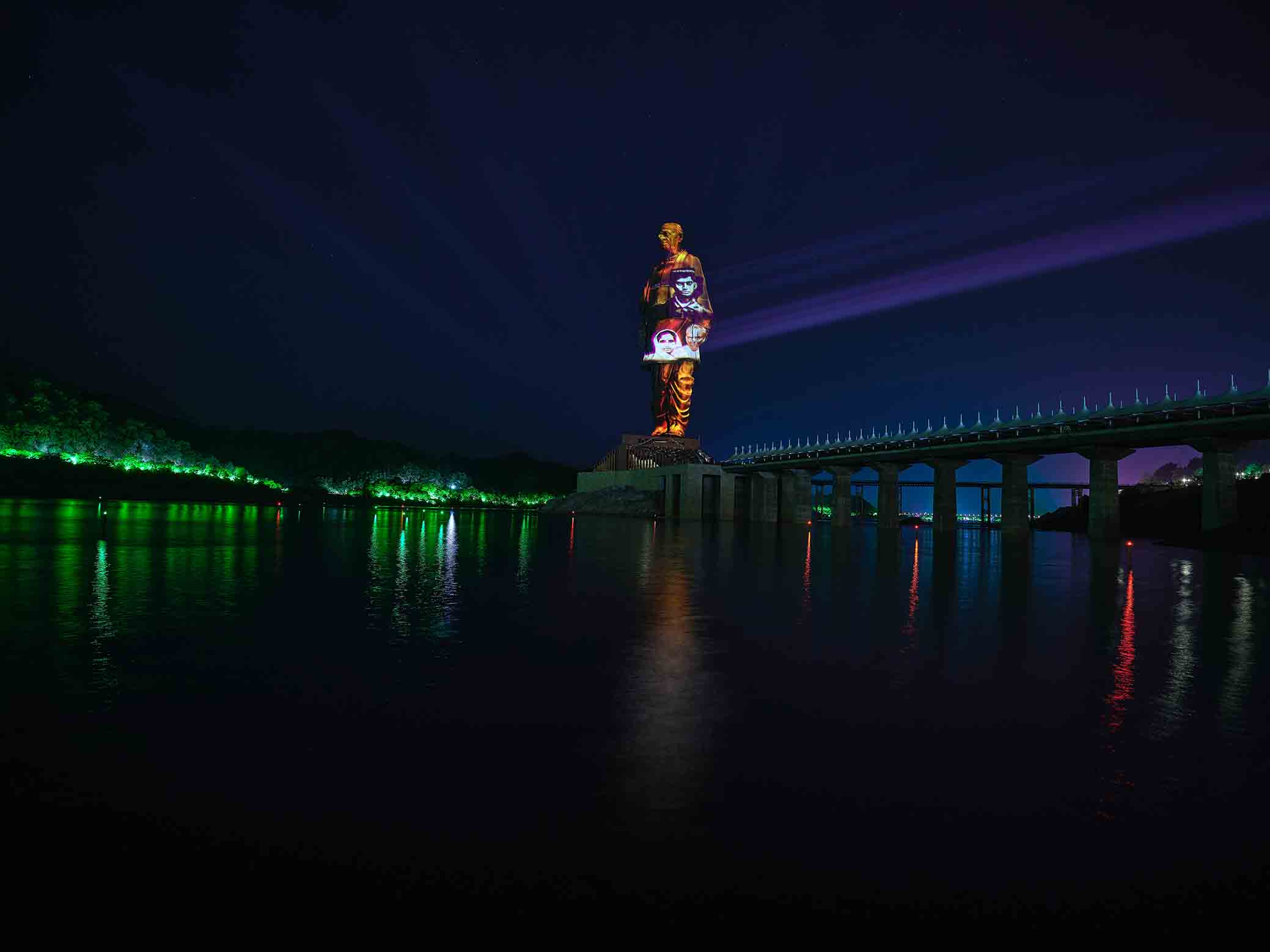
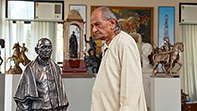
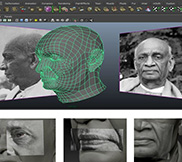
To achieve an accurate likeness of Sardar Patel at monumental scale, sculptor Shri Ram V. Sutar created progressive physical models—a 3ft model in Gandhinagar, an 18ft model in Karamsad, and a 30ft model in Baben. These models were 3D digitally scanned via Autodesk software and cross-referenced against archival photographs to finalize his facial expression and drapes. The exterior facade is clad in 1,700 tonnes of high-grade bronze plates, assembled into 565 macro panels and ~6,000 micro panels. Over a 100-year cycle, exposure to atmospheric oxidation will gradually transform the statue's hue from a warm reddish bronze to an elegant, historic greenish-blue patina. The final bronze panel was bolted into place on October 11, 2018, completing civil works in 33 months. On October 31, 2018, Prime Minister Narendra Modi dedicated the monument to the nation.
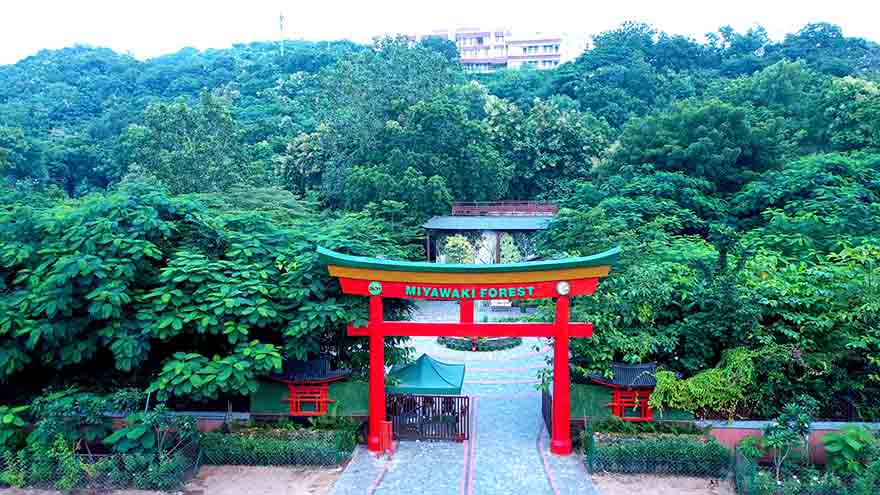
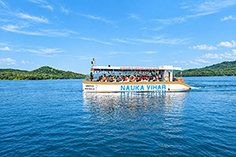
The dedication of the Statue of Unity triggered a socio-economic transformation unparalleled in modern Indian infrastructure. Renamed Ekta Nagar ('City of Unity'), It blossomed into a vibrant, world-class eco-tourism hub. Surrounding the 182-meter colossus, an ecosystem of over thirty tourist attractions was created in record time: Valley of Flowers, Sardar Patel Zoological Park (Jungle Safari), Dino Trail, Cactus & Butterfly Gardens, Children's Nutrition Park, Arogya Van, Miyawaki Forest, Vaman Vraksh Vatika, Ekta Nursery and the evening Glow Garden. The destination also offers a range of experiences, from the spiritual Narmada Maha Aarti to river rafting, cruise rides, Nauka Vihar and cycling. Infrastructure followed rapidly—wide 4-lane expressways replaced winding tracks, a new broad-gauge railway line connected Ekta Nagar directly to major Indian metros.It earned global acclaim, being named among TIME Magazine's World's 100 Greatest Places in 2019, recognized by the World Book of Records (London), and winning the World Architecture News Award 2019.
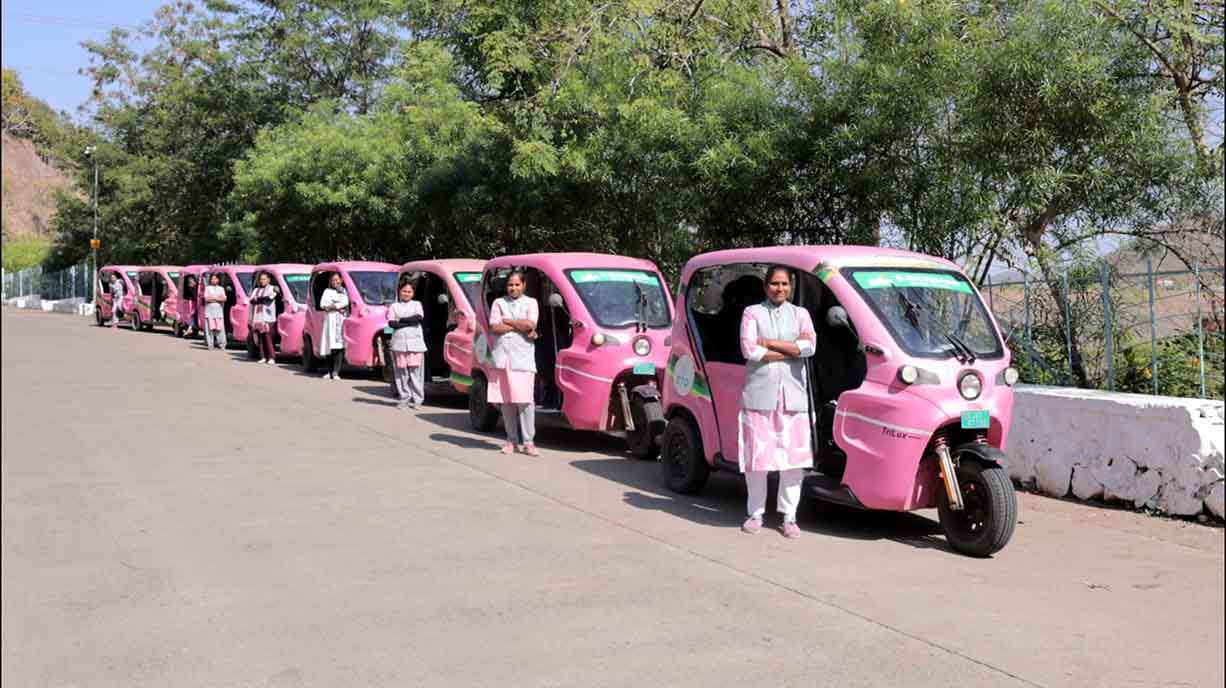
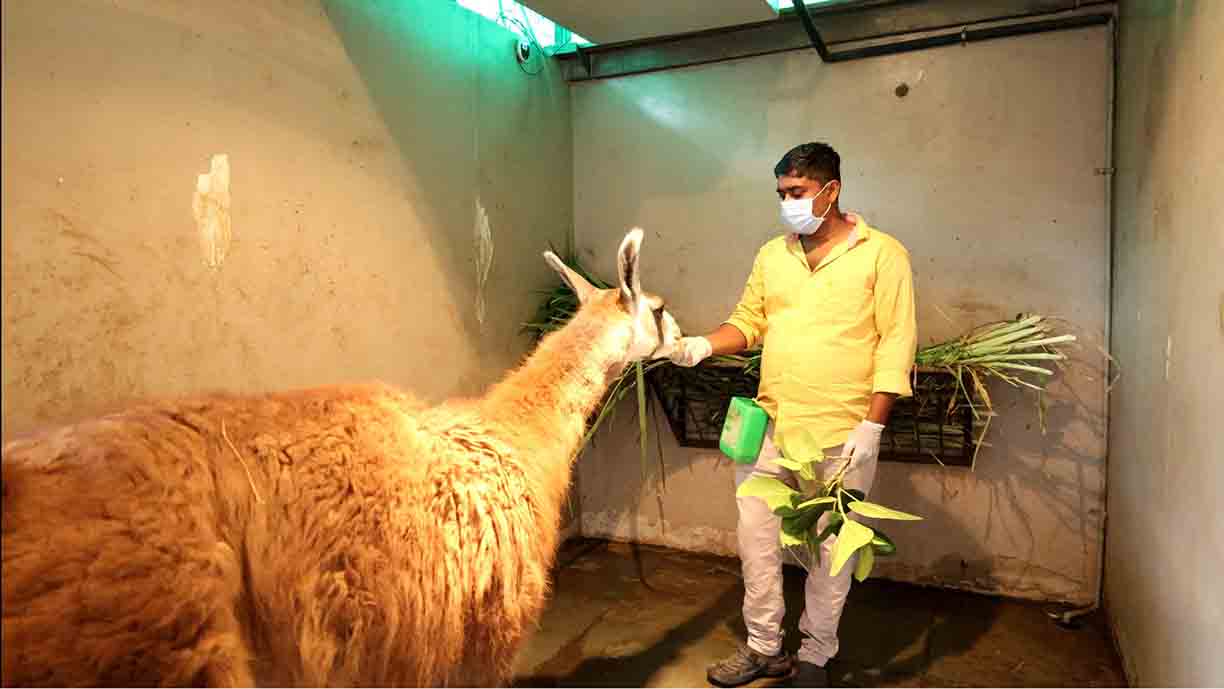
The true triumph of the project lies in the human transformation across Narmada District. Rather than displacing communities, the Icon-Based Development model placed tribal empowerment at its core. Direct and self-employment opportunities have been generated for over 4,000 local tribal residents. Indigenous women who had never worked outside their homes now confidently operate pink electric rickshaws and manage cafes, work as guides. Young men from nearby villages work as animal caretakers in Zoological park, technicians, guides, buses and golf cart drivers, hospitality managers in premier hotels. Seasonal migration has ceased, families remain united on their ancestral land, earning dignified livelihoods supported by the flourishing tourism economy.
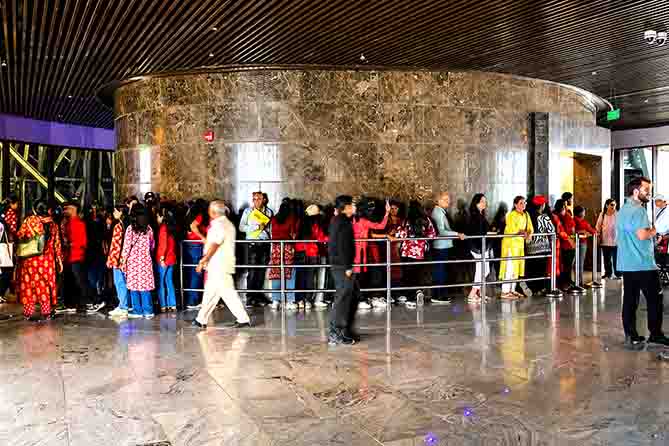
Today Ekta Nagar stands as a remarkable example of how a powerful vision can evolve into a vibrant destination. What was once a remote valley has grown into a beautifully planned tourism and experience hub, welcoming over 50 lakh visitors annually from across India and beyond.
At its heart stands the 182-metre Statue of Unity, the world’s tallest statue, but Ekta Nagar today offers far more than a monument. Families discover nature and adventure, children learn through immersive and interactive experiences, and visitors explore museums, gardens, wildlife, cultural attractions and the Narmada through cruises, cycling and other outdoor experiences. With a wide range of hotels and accommodation, modern visitor infrastructure and venues for conferences and large gatherings, Ekta Nagar has emerged as a destination that brings together tourism, education, adventure, culture and business.
Designed to be accessible and welcoming to people of all ages and backgrounds, the destination continues to evolve while retaining its natural landscape and cultural character. From a once-isolated tribal region to a place visited by millions, Ekta Nagar today represents the larger promise of development—creating opportunity, preserving identity and bringing people together around a shared sense of unity.